

Many drivers use their vehicles for quick errands, short commutes, and occasional trips around the neighborhood. Although these journeys may seem harmless, frequent short drives can affect how well a vehicle’s battery performs. A car battery supplies the electrical power needed to start the engine and operate various systems. Once the engine starts, the alternator begins replenishing the energy used during ignition. However, short trips may not provide enough driving time for the charging system to restore that energy fully. Over time, repeated incomplete charging can contribute to battery weakness and starting problems. Understanding how driving habits influence battery performance helps vehicle owners make better maintenance decisions and avoid unexpected breakdowns.
Understanding How Car Batteries Recharge
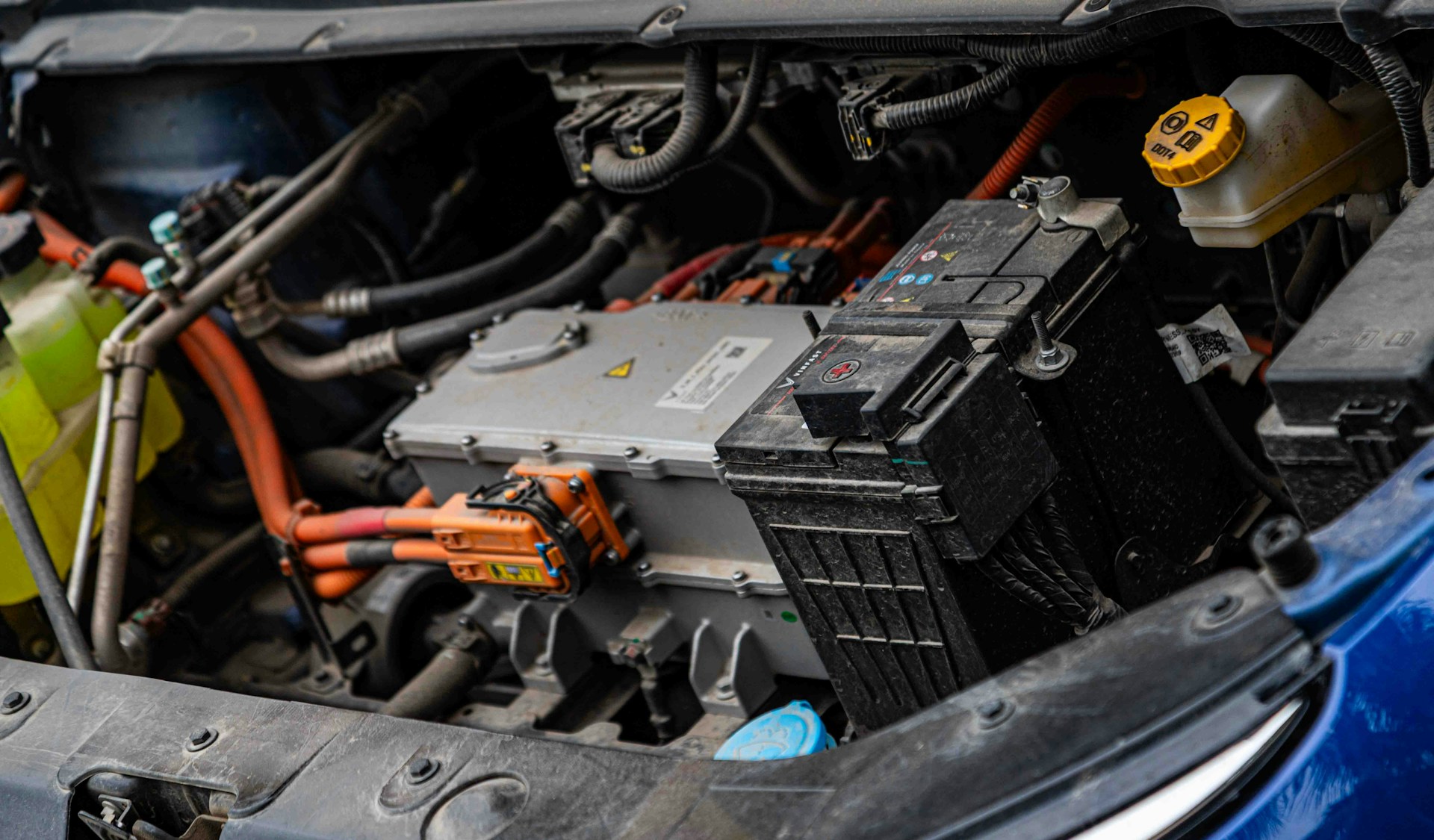
A vehicle battery provides the initial electrical power needed to start the engine. During ignition, it delivers a significant amount of energy to the starter motor and other electrical components. Once the engine runs, the alternator supplies electricity to the vehicle and helps recharge the battery. This charging process depends on several factors, including engine speed, electrical demand, battery condition, and the performance of the charging system. A longer drive generally gives the alternator more time to replace the energy consumed during startup. However, the battery does not necessarily reach a full charge during every journey. Modern vehicles also operate several electrical systems, including lighting, entertainment units, climate controls, and electronic safety features. These components can increase the demand placed on the charging system while the vehicle is running.
Examining the Effects of Frequent Short Drives
Short driving trips can prevent a vehicle battery from recovering the energy used during engine startup. Starting an engine requires considerable electrical power, particularly when the battery is already weakened or the weather affects its performance. When a driver repeatedly travels only a few minutes before switching off the engine, the alternator may not have enough time to replace the consumed charge. This creates a gradual imbalance between the energy taken from the battery and the energy restored during driving. The problem becomes more noticeable when short journeys happen several times throughout the day. A vehicle used mainly for nearby errands may experience repeated starting cycles without sufficient charging periods. Eventually, the battery may struggle to deliver the power needed for reliable ignition. Drivers might notice slower engine cranking or occasional difficulty starting the vehicle.
Recognizing Signs of Battery Weakness
Battery problems do not always appear suddenly. In many cases, the vehicle provides warning signs before the battery completely loses its ability to start the engine. One common symptom is slow cranking. Instead of starting immediately, the engine may turn over more slowly than usual. Dim headlights and inconsistent interior lighting can also indicate electrical problems. Some vehicles may display battery warning lights or messages when the charging system detects an issue. Other signs include malfunctioning electronic accessories, unusual dashboard behavior, and repeated starting difficulties. However, these symptoms do not automatically mean the battery is responsible. A faulty alternator, loose electrical connection, damaged wiring, or starter motor problem can produce similar effects. Drivers should arrange proper testing rather than replacing components based only on assumptions. Early diagnosis can prevent unnecessary expenses and reduce the risk of being stranded.
Identifying Factors That Increase Battery Drain
Driving distance is not the only factor that affects battery performance. The vehicle’s electrical demand, battery age, and surrounding conditions also influence how quickly its charge decreases. Using heated seats, air conditioning, headlights, entertainment systems, and other electrical accessories can increase power consumption. Although the alternator supplies electricity while the engine runs, heavy electrical demand may reduce the amount available for recharging under certain conditions. Older batteries are also more vulnerable to repeated incomplete charging. As batteries age, their ability to store and deliver electricity gradually decreases. Corroded terminals and loose connections can further interfere with electrical flow. Temperature can influence battery performance as well. Cold conditions can reduce available starting power, while high temperatures may accelerate battery deterioration. Even vehicles parked for several days can experience battery discharge because certain electronic systems continue drawing small amounts of power.
Improving Driving Habits and Charging Practices
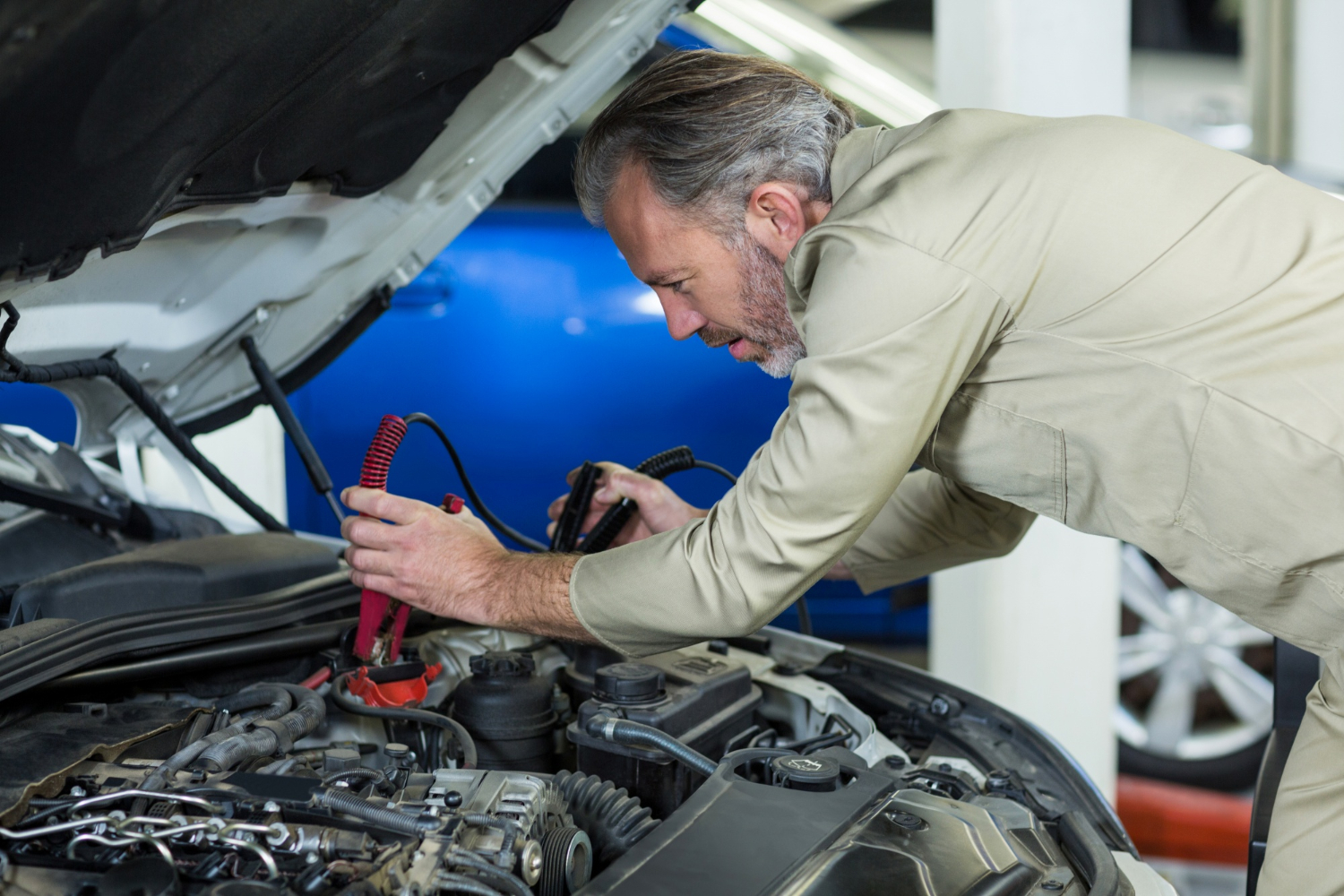
Changing everyday driving habits can help reduce the effects of frequent short trips. Whenever practical, combine several nearby errands into one longer journey. This allows the charging system more operating time and reduces the number of separate engine starts. Drivers who regularly use their vehicles for very short distances should consider checking battery condition more frequently. A professional battery test can measure its overall health and identify whether it holds sufficient charge. An appropriate battery maintainer or smart charger may also help vehicles that spend considerable time on short journeys or remain parked for extended periods. These devices can maintain battery charge when used according to the manufacturer’s instructions. Avoid relying on extended idling as a guaranteed charging solution because charging efficiency varies between vehicles and operating conditions. Keeping battery terminals clean and connections secure is equally important. Regular inspection helps identify corrosion, loose fittings, and other issues that may affect charging performance.
Maintaining Battery Health Through Regular Inspections
Preventive maintenance helps vehicle owners recognize battery problems before they interfere with daily transportation. Battery condition should be checked during routine vehicle servicing, particularly when the car is frequently used for short trips. A technician can inspect the charging system, measure battery voltage, and perform a load or conductance test to assess its condition. These checks help determine whether the battery needs charging, further diagnosis, or replacement. Drivers should also pay attention to battery age. Most conventional car batteries have a limited service life, although actual lifespan depends on driving patterns, climate, maintenance, and battery quality. Following the manufacturer’s recommendations helps prevent premature replacement and unexpected starting failures. Keeping records of battery inspections and replacement dates can also make maintenance decisions easier. Rather than waiting for the vehicle to stop starting, owners can address declining performance early.
Frequent short driving trips can affect vehicle battery performance by limiting the time available for recharging after engine startup. Repeated incomplete charging, combined with electrical demand and battery aging, can gradually increase the risk of starting problems. By combining errands, monitoring warning signs, maintaining clean connections, and scheduling regular battery inspections, drivers can support more reliable vehicle operation. Understanding these effects makes it easier to adjust everyday driving habits and protect the battery from unnecessary strain.